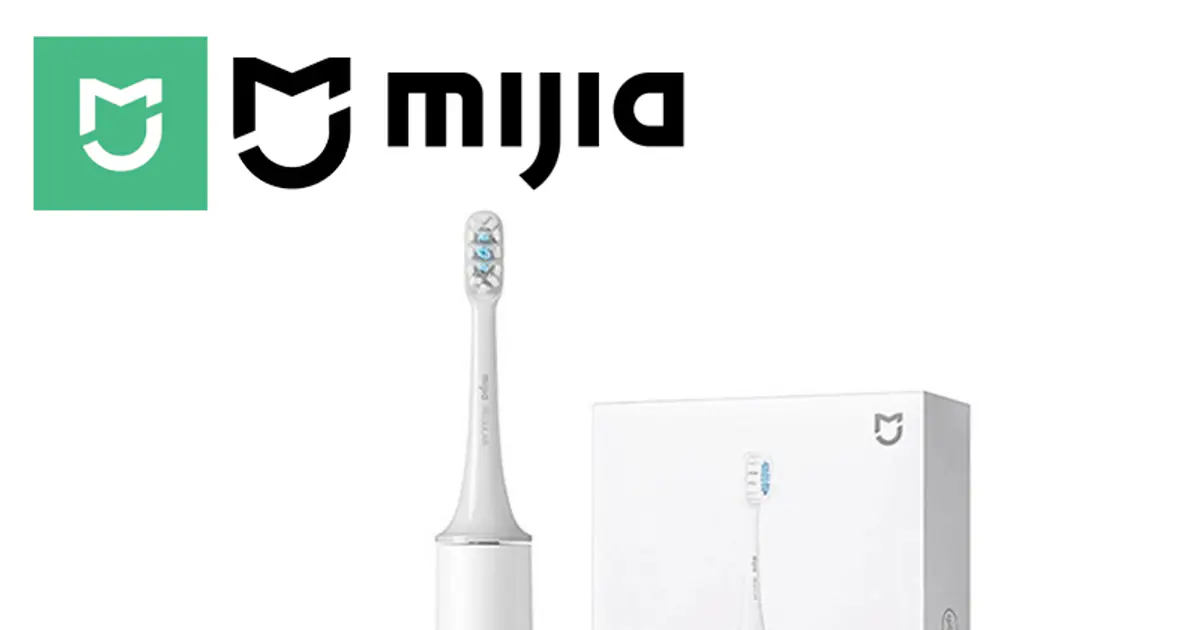
At 31,000 brush strokes per minute, IPX7 waterproofing, a 30-day battery life, and a price under $25 on AliExpress, the Xiaomi Mijia Sonic Toothbrush is the electric toothbrush that makes the $80 Oral-B Pro 1000 feel like an overpriced luxury. This is one of Xiaomi's genuinely strong products in a category where the technology gap between premium and budget has mostly closed.
The Xiaomi Mijia Sonic Toothbrush delivers clinical-grade 31,000-stroke sonic cleaning, NFC app integration, 30-day battery, and magnetic charging — all at under $25. It lacks pressure sensors found in premium brushes, but for most users the cleaning performance is equivalent to brushes costing three times more.
Pros
- ✓31,000 strokes per minute — equal to Philips Sonicare mid-range models at a fraction of the cost
- ✓30-day battery on a single magnetic charge — travel-friendly with no daily charging needed
- ✓Three modes (Clean, Whitening, Sensitive) cover different sensitivity levels and goals
- ✓IPX7 waterproof rating — fully safe for use in the shower, easy to rinse
- ✓94g lightweight body with slim profile — comfortable grip even for smaller hands
- ✓NFC pairing with Xiaomi app provides brushing tracking and recommendations
Cons
- ✗No pressure sensor — no alert if you're brushing too hard, which can damage enamel over time
- ✗Magnetic charging base is proprietary — can't charge with standard USB-C if you lose the base
- ✗NFC app features require a compatible Xiaomi/Android device — iPhone users get limited functionality
- ✗Replacement heads can be harder to source locally than Oral-B or Philips heads
Design & Build
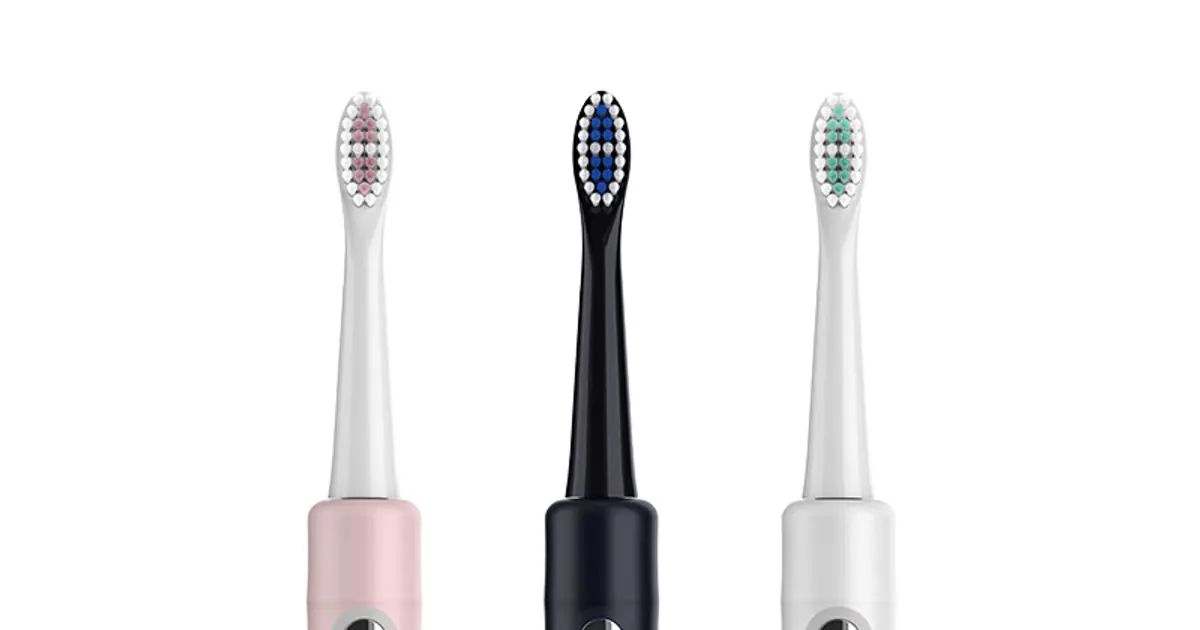
The Xiaomi Mijia Sonic Toothbrush has the clean, minimal industrial design that Xiaomi applies across its product range. The body is a smooth cylinder in white with a single rubber-grip band around the middle — simple, hygienic, and easy to clean. At 94g, it's noticeably lighter than many premium electric brushes, which reduces hand fatigue during a 2-minute brushing session.
The IPX7 rating means the body can be fully submerged up to 1 meter for 30 minutes — in practice, it's completely safe in the shower and easy to rinse under running water. The connection point between the body and brush head is sealed, with no exposed ports or seams that could trap moisture (the charging base is used only when the brush is drying).
The magnetic charging base is clean but introduces the one notable hardware dependency: the circular base uses a custom magnetic connection to charge the battery. This works well at home but means you need to carry the base when traveling. A USB-C charging port built into the handle (as found on some competitors) would be more convenient.
Replacement brush heads are available from Xiaomi's ecosystem sellers on AliExpress in packs of 3–4 at reasonable prices ($5–$10 per pack). The heads use a standard bayonet-style fitting.
Performance & Key Features
Sonic frequency at 31,000 strokes per minute (roughly 31K oscillations, translating to ~260 Hz vibration) puts the Xiaomi in the same performance tier as the Philips Sonicare ProtectiveClean 5100 ($60–$80). Clinical dental studies consistently show sonic toothbrushes at this frequency remove plaque significantly more effectively than manual brushing, including in areas between teeth due to hydrodynamic fluid action.
Three cleaning modes address different needs:
- Clean: standard mode for daily brushing, 31,000 strokes/min
- Whitening: slightly higher amplitude targeting surface stain removal
- Sensitive: reduced intensity for post-treatment care, sensitive gums, or initial use
A single button cycles through modes with LED indicator feedback. The brush runs a 30-second interval system (a brief pause every 30 seconds signals you to move to the next mouth quadrant) and auto-shuts off after 2 minutes — the dentist-recommended brushing duration.
Battery life at 30 days per charge (based on 2 sessions/day at 2 minutes each) is exceptional. This is one area where Xiaomi clearly outperforms most competitors in this price bracket, many of which need weekly charging. The 30-day battery is particularly useful for travel.
NFC pairing: tap the brush to an NFC-enabled Android phone with the Xiaomi Home app to pair the device. The app tracks brushing duration, coverage, and frequency, providing dental care recommendations. This feature adds value for Xiaomi ecosystem users but is largely cosmetic for those who just want a capable brush.
Real-World Experience
Daily use is straightforward. The 2-minute auto-shutoff timer with quadrant pacing is useful for building a consistent routine. The vibration level on Clean mode is effective without being uncomfortably aggressive — it cleans thoroughly without the numbing sensation some high-power brushes produce. Sensitive mode is genuinely gentler, suitable for the first week of use while gums adjust to sonic cleaning.
The absence of a pressure sensor is the real-world limitation to note: if you have a habit of pressing too hard — which many manual brush users do — there's no feedback to correct it. Sustained excessive pressure can cause gum recession and enamel wear over years. The Philips Sonicare DiamondClean ($120–$150) and Oral-B IO Series 7 ($150+) both include pressure sensors with alerts; if this is a concern, those are the alternatives to consider.
Travel use is excellent thanks to the 30-day battery. Pack the charging base only for trips longer than 3 weeks; for shorter trips, leave it home.
Delivery from AliExpress: 2–3 weeks standard, 7–14 days AliExpress Standard Shipping. Purchase from the official Xiaomi/Mijia store on AliExpress for warranty coverage.
Price & Where to Buy
The Xiaomi Mijia Sonic Toothbrush typically sells for $18–$28 on AliExpress depending on the model variant (T100, T200, T300, T500 — higher numbers add features like more modes and NFC). The T300 offers the best balance of features and price for most users.
Key alternatives: the Philips Sonicare 4100 ($35–$45) has a pressure sensor and better brush head availability globally. The Oral-B Pro 1000 ($40–$50) uses oscillating-rotating technology (different from sonic) and is widely available with replacement heads. The Xiaomi costs half as much and cleans equally well for the majority of users.
Buy if...
- •Budget-conscious users who want sonic cleaning performance equivalent to Philips Sonicare at half the price
- •Xiaomi ecosystem users who'll benefit from NFC app integration and brushing tracking
- •Travelers who need a long-battery brush — 30 days per charge means no charging base needed for most trips
- •Sensitive gum sufferers who want a gentle mode alongside standard cleaning
Skip if...
- •Users prone to pressing too hard while brushing — choose the Philips Sonicare 5100 or Oral-B IO for pressure sensor alerts
- •iPhone-primary users who want full app functionality — NFC features require Android; choose the Sonicare app-connected models instead
- •Anyone far from AliExpress shipping reach who needs fast replacement heads — local availability of Xiaomi heads varies by country
Frequently Asked Questions
Frequently Asked Questions
The T100 is the entry-level model with basic cleaning mode and standard battery. The T300 adds multiple cleaning modes (Clean/Whitening/Sensitive) and NFC pairing. The T500 adds a UV sterilization charging case. For most users, the T300 offers the best value. Check the specific listing to confirm features, as variants differ by market.
For most users, yes — the 31,000 strokes/min frequency is equivalent to Philips Sonicare mid-range models, and clinical evidence for sonic toothbrushes at this frequency shows significant plaque removal improvement over manual brushing. The main difference is the absence of pressure sensors and more limited mode selection in premium brands.
Yes. The toothbrush works fully as a standalone device without any app. The 2-minute timer, quadrant pacing, and mode selection all function via the physical button. The NFC app integration is an optional feature that adds brushing statistics but is not required for operation.
Place the toothbrush handle onto the included magnetic charging base, which connects to a USB-A cable (or USB-C depending on the model). The handle has no built-in USB port — the magnetic base is required for charging. A full charge takes approximately 4 hours and lasts up to 30 days with twice-daily 2-minute sessions.
Yes, Xiaomi replacement heads are widely available on AliExpress from multiple sellers, typically $5–$10 for a pack of 3–4. Local retail availability varies — in some countries, Xiaomi authorized stores carry them. Dentists recommend replacing brush heads every 3 months.
Verdict
The Xiaomi Mijia Sonic Toothbrush is one of the best-value electric toothbrushes available anywhere in 2026. The 31,000 strokes/min sonic motor, 30-day battery, three cleaning modes, IPX7 waterproofing, and NFC app integration at under $25 make it a straightforward recommendation for anyone who wants to upgrade from a manual brush without spending $80+. The missing pressure sensor is a genuine gap for users who brush aggressively — those users should consider the Philips Sonicare ProtectiveClean 5100 instead.