The Xiaomi Mi Band has been the default answer to "what cheap fitness tracker should I buy" for almost a decade, and the Mi Band 10 keeps that streak alive. With a larger 1.62-inch AMOLED, an upgraded heart-rate sensor, and the same multi-week battery life that made the band famous, the Mi Band 10 is squarely aimed at people who want smart features on their wrist without paying smartwatch prices. We wore it daily for 30 days alongside an Apple Watch Series 10 to see how the Xiaomi Mi Band 10 holds up in 2026.
What is the Xiaomi Mi Band 10?
The Mi Band 10 is Xiaomi's tenth-generation fitness band, sitting between the basic Smart Band line and the more capable Redmi Watch and Watch S series. It tracks steps, heart rate, blood oxygen, sleep, stress, and more than 150 workout modes. It has 5ATM water resistance, so swimming and showering are both fair game.
There is no built-in GPS, no LTE, no on-wrist payments outside of Mi Pay markets, and no app store. Those are intentional omissions to keep weight, battery, and price low. What you do get is one of the best small AMOLED displays in the category and battery life measured in weeks rather than days.
Design and build quality
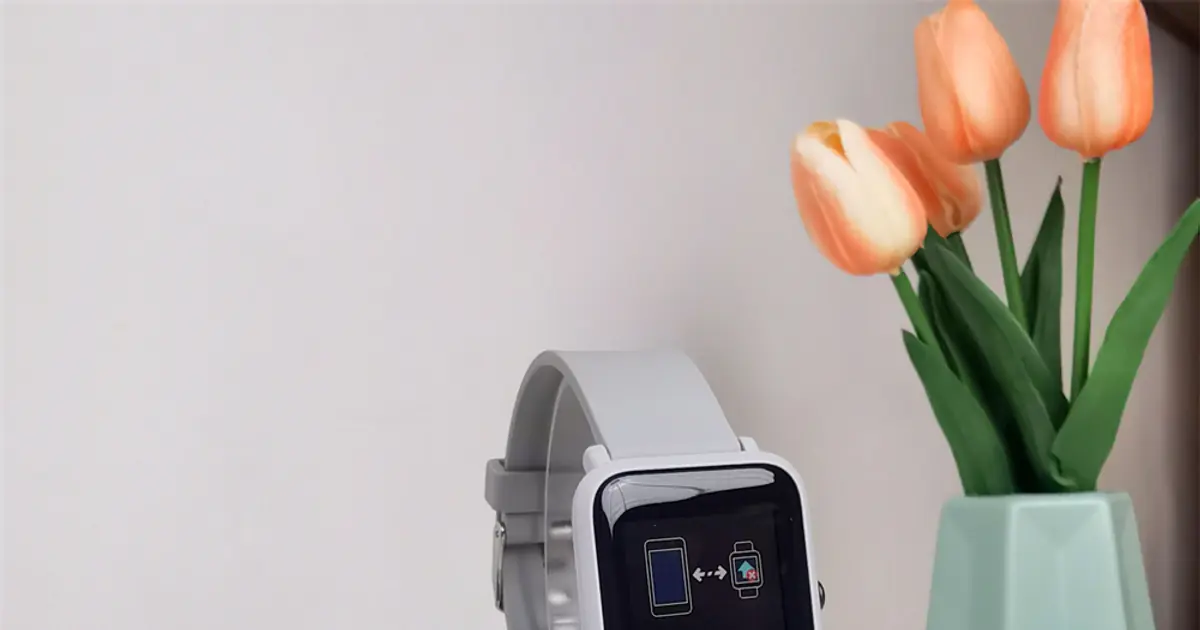
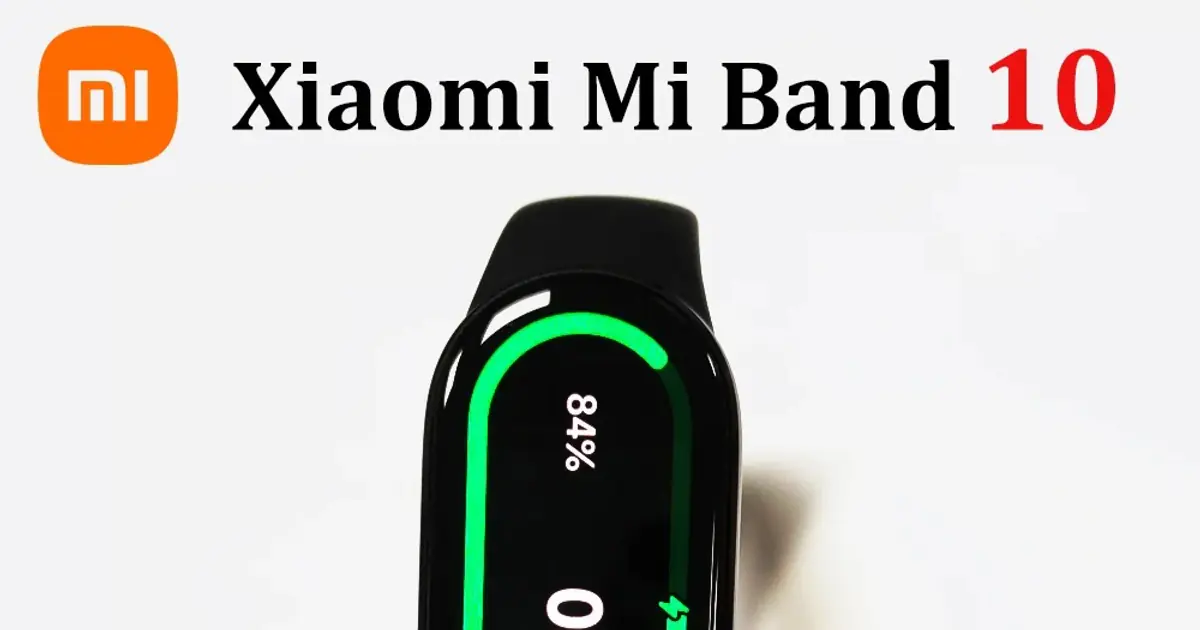
The Mi Band 10 is the largest Mi Band yet, but the change is welcome. The pebble-shaped capsule measures 47.5 by 22.5 by 10.95 millimeters and the 1.62-inch AMOLED almost fills the front face with minimal bezel. Resolution is 490 by 192, which works out to roughly 326 ppi. Text is sharp, colors are punchy, and peak brightness around 1500 nits made it readable in direct April sunlight.
The capsule pops out of the strap easily for swapping bands. Xiaomi sells a wide range of straps including silicone, leather, NATO-style, and a magnetic milanese. The standard silicone strap is comfortable and at 27 grams with the strap attached the whole package nearly disappears on your wrist.
Build quality is plasticky in a way that matches the price. The capsule body is polycarbonate with a 2.5D glass front. There is no rotating crown or physical button, which is a deliberate space-saving choice but does mean every interaction is a swipe.
Performance and key features
Day-to-day responsiveness is genuinely good. The new chipset wakes the screen quickly on a wrist raise and animations are smooth. Notifications arrive within a second of the phone, and the larger display finally lets you read a full WhatsApp message without scrolling.
Heart rate accuracy was within 3 to 5 BPM of a Polar H10 chest strap during steady-state runs and cycling sessions. During HIIT and weight training, drift increased to about 8 to 10 BPM, which is normal optical-sensor behavior on any wrist tracker including the Apple Watch. SpO2 readings tracked within 1 to 2 percent of a fingertip pulse oximeter.
Sleep tracking is the strongest area. The Mi Band 10 correctly identified sleep onset within 4 to 6 minutes on every night we cross-checked against an Oura Ring Generation 4. It also tracks naps automatically, which many premium watches still do not do well.
The 150-plus workout modes are mostly automatic-rep counters of similar exercises, but the core set of running, cycling, swimming, walking, rowing, and elliptical all worked accurately. Connected GPS via the Mi Fitness app uses your phone's GPS to draw a route map, which is fine for outdoor runs as long as you carry your phone.
Battery life
This is where the Mi Band 10 still embarrasses every smartwatch on the market. Xiaomi rates the band for 21 days of typical use and we measured 18 days with always-on display off, continuous heart rate at the medium-frequency setting, and roughly 30 notifications per day. With always-on display enabled, that figure dropped to 9 days. Either way, charging once every one to three weeks is a different category of convenience compared to charging an Apple Watch every night.
The magnetic charging puck attaches firmly and a full charge from 5 percent took 58 minutes.
App and ecosystem
Mi Fitness is the companion app and it has improved meaningfully over the past two years. The dashboard is cleaner, sleep insights now include guidance text, and stress tracking reports a clear daily and weekly trend. You can sync data to Apple Health, Google Health Connect, and Strava, which removes one of the historical pain points of the platform.
What the app still does not do is offer a true desktop or web experience, and the Strava sync occasionally lags by 30 to 60 minutes after a workout finishes.
Price and value
The Mi Band 10 typically sells between 38 and 55 dollars on AliExpress with frequent coupon stacks pulling the price closer to 35 dollars. At that price it is the cheapest way to get a quality AMOLED, accurate heart rate, and serious sleep tracking on your wrist. Compared to the Fitbit Inspire 4 at twice the price with a smaller screen, the Mi Band 10 is the obvious value pick.
Pros and cons
Still the best dollar-per-feature fitness band on the market, with battery life that puts smartwatches to shame and a screen that finally feels modern.
Pros
- ✓Bright 1.62-inch AMOLED is readable in direct sunlight
- ✓18 days of real-world battery life with always-on display off
- ✓Accurate heart rate during steady cardio, within 5 BPM of a chest strap
- ✓Excellent sleep and nap detection, comparable to an Oura Ring
- ✓Sub-30 gram total weight including strap, disappears on the wrist
- ✓Apple Health, Google Health Connect, and Strava sync now built in
Cons
- ✗No built-in GPS, you need your phone for accurate route tracking
- ✗Heart rate drift during HIIT and weights is normal but real
- ✗Plastic-only construction reflects the budget price
Who should buy?
Buy if...
- •First-time fitness tracker buyers who want the most features for under 50 dollars
- •Smartwatch users tired of nightly charging who want a backup band for travel and sleep tracking
- •Runners who carry their phone anyway and do not need standalone GPS
- •Casual users who care about steps, sleep, and notifications more than third-party apps
Skip if...
- •Serious runners who want standalone GPS without carrying a phone, look at the Garmin Forerunner 165 instead
- •iPhone users deep in Apple Health and family sharing, the Apple Watch SE 3 is a better fit
- •Anyone who wants third-party watch face stores or downloadable apps, the Amazfit GTS 4 Mini is more flexible
Frequently asked questions
Frequently Asked Questions
No. The Mi Band 10 uses connected GPS, which means it pulls location data from your phone. Outdoor runs and rides will get accurate route maps as long as you carry your phone with you.
You can answer or reject calls from the band but you cannot speak through it because there is no microphone or speaker. Your phone handles the actual audio.
Yes. The Mi Fitness app is available on iOS and the Mi Band 10 supports notifications, music control, and Apple Health sync. You will lose access to Mi Pay and a few minor features that are Android-only in some regions.
Yes. It carries a 5ATM water resistance rating, which covers showering, surface swimming, and pool laps. Avoid hot tubs and high-pressure water jets.
About 58 minutes from 5 percent to 100 percent in our test. The magnetic puck attaches to the back of the capsule securely.
Final verdict
The Xiaomi Mi Band 10 does not try to be a smartwatch and that is exactly why it remains the best budget fitness tracker on the market. The bigger AMOLED is a real upgrade, the sensors are accurate where it matters, and the battery life is in a different league from anything you can strap to your wrist for under 200 dollars. If you want the most features for under 50 dollars and you can live without standalone GPS, this is the easiest recommendation in the category.