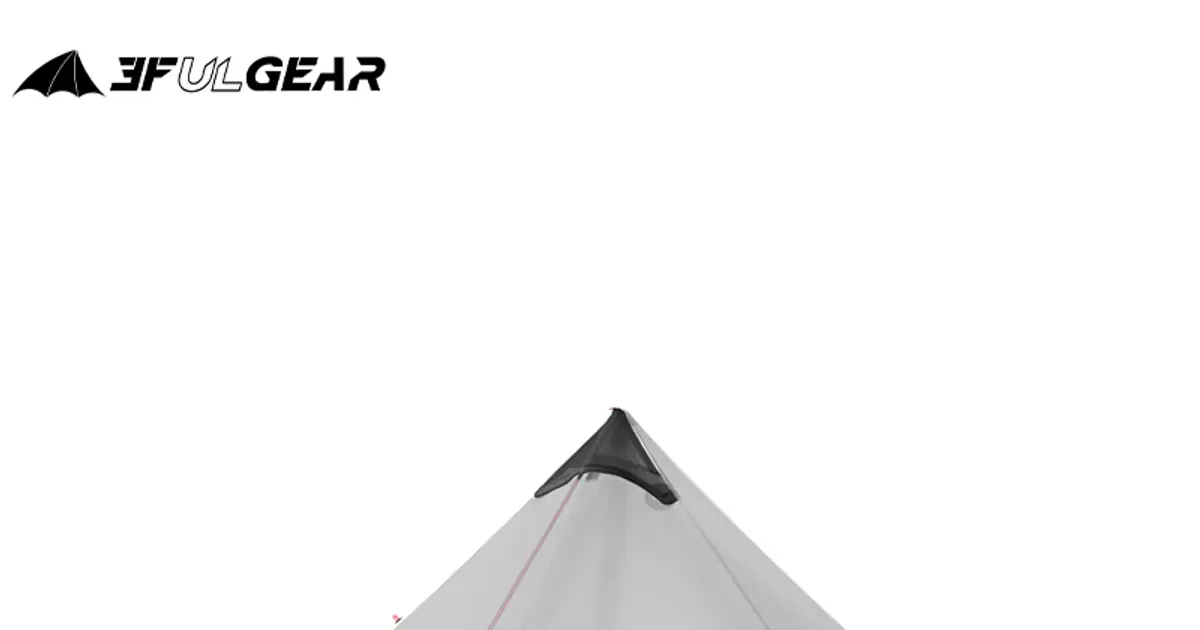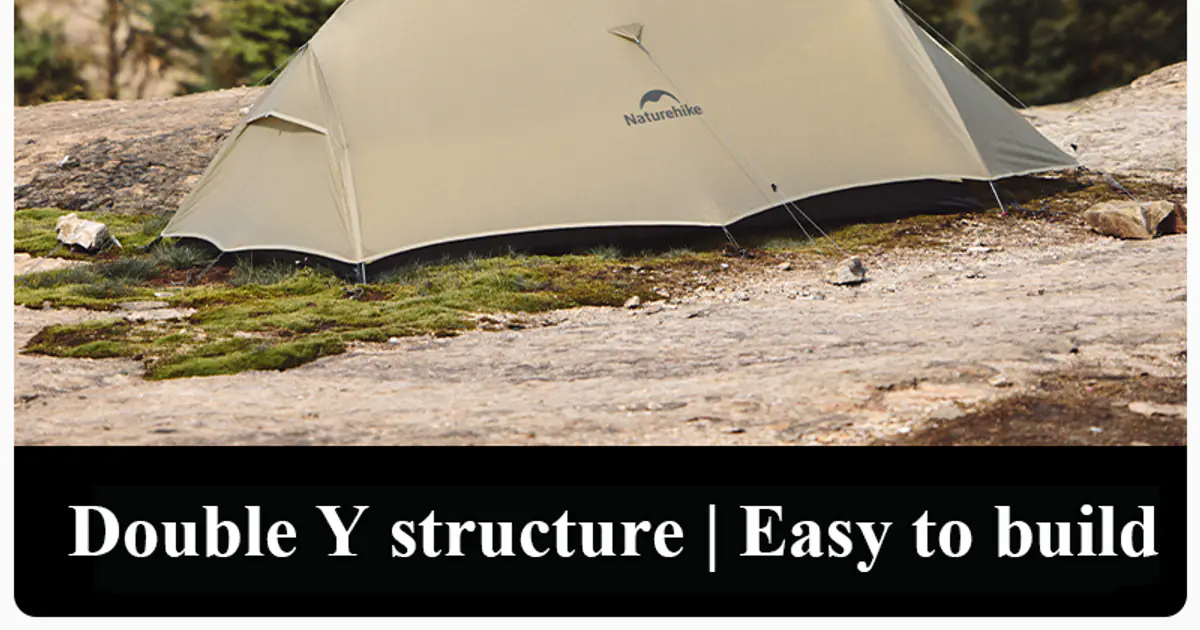
Two AliExpress ultralight tents, two very different philosophies. The Naturehike Cloud-Up 2 is a freestanding double-wall two-person shelter — the kind of tent that pitches in 10 minutes, stands on its own, and forgives beginner mistakes. The 3F UL Gear LanShan 1 is a rodless single-person shelter that requires trekking poles and a practiced technique, rewards gram-counters with a sub-800g packed weight, and costs $50–70 less.
They share a surprisingly competitive price bracket and a focus on ultralight performance. But they serve different campers. This comparison breaks down the specs, the real-world trade-offs, and which tent is right for which trip.
| Criterion | Naturehike Cloud-Up 2 | 3F UL Gear LanShan 1 |
|---|---|---|
| Price (AliExpress) | $90–130 | $50–70 |
| Capacity | 2 persons | 1 person |
| Packed Weight | ~1,290g | ~730g |
| Setup Style | Freestanding (poles included) | Trekking poles required |
| Fabric | 20D ripstop nylon | 15D silnylon |
| Waterproof Rating (HH) | 3000mm | 2000mm+ |
| Design | Double-wall | Single-wall + inner |
| Vestibule Space | Dual vestibule, ~0.7m² each | Single vestibule, ~0.9m² |
| Condensation Management | Excellent (mesh inner) | Moderate (requires ventilation) |
| Value for Solo Hikers | Good | Exceptional |
Key Differences: What the Specs Actually Mean
The weight gap is the headline: 560g separates these two tents when packed. For context, 560g is the weight of a full water bottle. On a 7-day thru-hike carrying 10–12kg total, that difference is significant. On a 2-night car-camping-adjacent outing where you're covering 8km of trail, it barely registers.
The capacity difference is equally important and often overlooked in comparisons. The Cloud-Up 2 is genuinely a two-person tent — two adults can sleep comfortably side by side. Solo use of the Cloud-Up 2 gives you luxury room: spread your kit out, sit up comfortably, keep a pack inside. The LanShan 1 is a solo shelter. Two people can technically fit (the floor is 220 x 120cm) but it's genuinely uncomfortable — treat it as a solo tent.
Freestanding vs trekking-pole setup is the most practical difference for most buyers. The Cloud-Up 2 uses pre-bent aluminum poles that create a self-supporting dome — you can pitch it on rock, move it after pitching, and set it up solo in low light without difficulty. The LanShan 1 requires two trekking poles at specific angles, with guylines tensioned correctly. First-time setup takes 25–30 minutes. Practiced setup takes 10–12 minutes. If you're a regular trekking-pole user, this becomes second nature quickly. If you've never pitched a tarp or non-freestanding shelter, there's a genuine learning curve.
Condensation is the LanShan 1's most discussed weakness. The single-wall design means the fly surface collects condensation on cold or humid nights, and that moisture can reach the inner tent if you're touching the fabric. The Cloud-Up 2's double-wall construction — separate rainfly and mesh/solid inner with an air gap between them — manages condensation dramatically better. For camping in the Pacific Northwest, in valley bottoms, or in coastal climates, this is a meaningful quality-of-life difference.
Waterproof rating: the Cloud-Up 2's 3000mm hydrostatic head versus the LanShan 1's 2000mm+ is a real difference, but both are adequate for typical 3-season backpacking. Neither will fail in a spring rainstorm. The Cloud-Up 2's extra headroom provides additional confidence in extended downpours and higher-altitude conditions where rain intensity is greater.
On the Trail: Real-World Performance
Both tents have substantial trail records from the ultralight community. The LanShan 1 has been carried on PCT, CDT, and JMT thru-hikes; the Cloud-Up 2 has appeared on Camino de Santiago reports, Alpine hut-to-hut trips, and Himalayan base camp approach routes. Neither is a boutique product with limited real-world testing — they're genuinely field-proven.
LanShan 1 trail reality: the tent earns its weight numbers. Hikers completing the PCT have reported using the LanShan 1 for 2,650 miles without shelter failure. Rain performance in typical trail conditions is solid; the 2000mm HH rating is conservative, and the factory seam tape holds. The ventilation technique (leaving the vestibule partially open even in rain) manages condensation adequately in most conditions.
The fragility of 15D silnylon is a real concern but often overstated. 15D tears more easily than 20D or 30D if dragged across sharp rocks or abrasive granite. In practice, you don't drag tent fabrics — you set them up and take them down. The LanShan 1's fabric has survived multi-month thru-hikes with proper site selection. The risk is real but manageable with basic care.
Cloud-Up 2 trail reality: the freestanding design makes bad-weather setup trivially easy. Arriving at a campsite in the dark and rain, the Cloud-Up 2 is up in under 10 minutes even on your first trip. The dual vestibule gives both sleepers private gear storage. The double-wall construction means waking up to a dry inner tent even after a humid night.
The 1.29kg packed weight is not heavy for a two-person ultralight tent — but compared to a true solo setup like the LanShan 1, solo hikers are carrying 560g they don't need. The Cloud-Up 2 is occasionally used solo as a "luxury" option; this is perfectly sensible for casual camping but hard to justify on a weight-conscious thru-hike.
Price-to-Performance
At $50–70, the LanShan 1 has no direct competitor in the ultralight market. Western alternatives at comparable weight (Big Agnes Fly Creek HV UL1, NEMO Hornet Elite) cost $350–500. Chinese brands like Lanshan represent a genuine value disruption that hasn't been matched. The trade-offs are real — no warranty support, inconsistent quality control across production batches, no brand service network — but for the price, the performance is exceptional.
At $90–130, the Cloud-Up 2 similarly undercuts Western competition. An MSR Hubba Hubba NX (its closest equivalent in design and use case) costs $500+. The Cloud-Up 2 at $100–130 delivers 80–85% of the MSR's performance at 20% of the price. For recreational backpackers who don't need the reliability assurance of a Western warranty, that trade-off is hard to argue with.
Both tents represent the best value available in their respective categories on AliExpress in 2026. The question is which category your trip falls into.
Both tents deliver remarkable value for ultralight shelters. The 3F UL Gear LanShan 1 is the superior choice for solo weight-focused thru-hikers who carry trekking poles — the weight and price savings are compelling and the trail performance backs them up. The Naturehike Cloud-Up 2 wins for couples, for campers who want freestanding setup simplicity, and for anyone who camps in chronically humid conditions where condensation management matters.
Pros
- ✓Both tents dramatically undercut Western brand pricing for comparable ultralight performance
- ✓LanShan 1 sub-800g weight is genuinely world-class for the price point
- ✓Cloud-Up 2 double-wall freestanding design requires no technique and pitches in any conditions
- ✓Cloud-Up 2 dual vestibule is superior for two-person use and gear management
Cons
- ✗LanShan 1 requires trekking poles and practiced setup technique — not beginner-friendly
- ✗LanShan 1's single-wall design creates more condensation in humid conditions
- ✗Cloud-Up 2 carries 560g more than the LanShan 1 — meaningful on extended solo thru-hikes
- ✗Neither offers the warranty and customer service assurance of Western brands like MSR or Big Agnes
Frequently Asked Questions
The 3F UL Gear LanShan 1, if you already carry trekking poles. The weight savings (560g) matter over 2,000+ miles, the price savings leave money for resupply, and the tent has an established track record on long-distance trails. If you don't carry trekking poles, the Naturehike Cloud-Up 2 is the better choice — the LanShan 1 cannot be pitched without them.
Yes, and it's a comfortable solo experience. The extra floor space lets you keep gear inside, spread out, and sit up easily. The weight penalty (an extra 560g vs the LanShan 1) is the trade-off. For casual weekend camping where weight is not the primary concern, the Cloud-Up 2 as a solo tent is a pleasure to use. For serious gram-counting on extended thru-hikes, the LanShan 1 is the rational choice.
The Naturehike Cloud-Up 2. Its 3000mm hydrostatic head rating is 50% higher than the LanShan 1's 2000mm+, and its double-wall design keeps the sleeping area completely separated from the wet fly surface. In sustained heavy rain or alpine conditions, the Cloud-Up 2's waterproofing margin is a meaningful advantage. The LanShan 1 is adequate for typical 3-season rain but requires more attention to ventilation and seam sealing.
Both tents come with factory seam tape on critical stress points. For typical use, seam sealing is not required before the first outing. If you plan to use the LanShan 1 in extended or heavy rain, applying additional silicone sealant to the seams adds a meaningful waterproofing margin. The Cloud-Up 2's 3000mm-rated taped seams are generally adequate without additional sealing for most 3-season use.
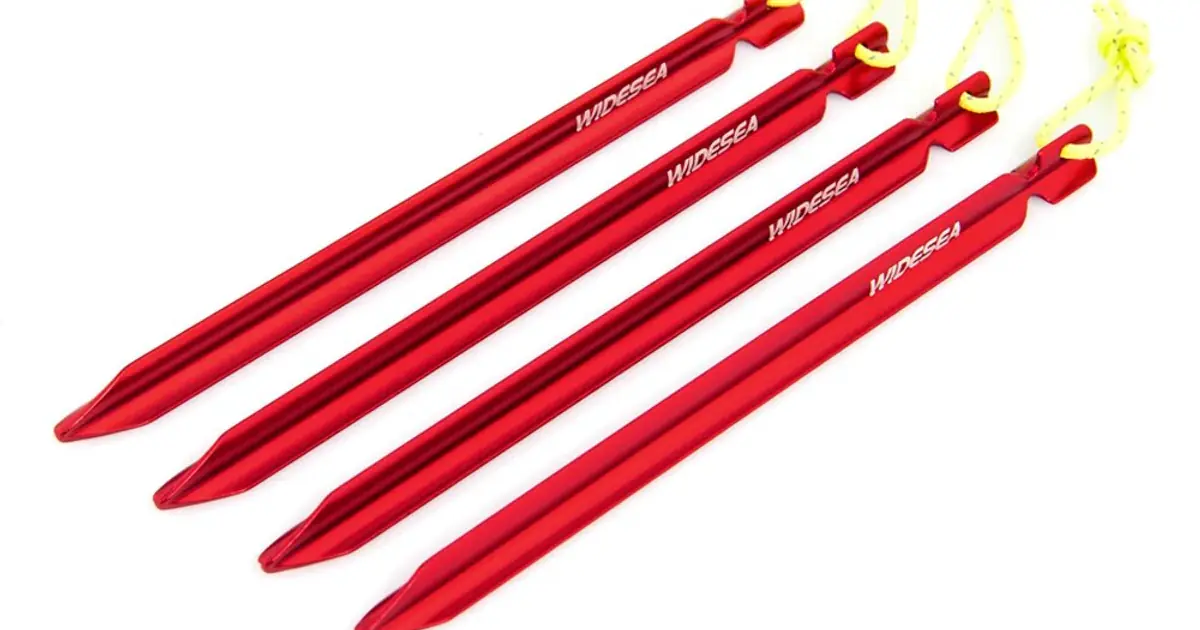
Search for the official Naturehike Store and the official 3F UL Gear Store on AliExpress. Both brands operate official storefronts with product authenticity guarantees. Third-party listings for these tents sometimes sell older versions or products with inconsistent quality control. The official stores also tend to run the most frequent sales and include the most complete kit (stakes, stuff sack, guylines).