Your pet spends more time in their bed than almost anywhere else. Getting it right matters — not just for their comfort, but for their joint health, sleep quality, and stress levels. The good news is you don't need to spend $100+ at a specialty pet retailer to get a genuinely good bed. AliExpress has an enormous selection covering every style, size, and use case.
The challenge is knowing what to buy. Search "dog bed" on AliExpress and you'll get thousands of results ranging from excellent to barely functional. This guide cuts through that to explain the main bed types, how to size for your pet, what materials actually matter, and which specific picks are worth your money in 2026.
Types of Pet Beds: What's Actually Different
Not all pet beds are created equal, and the right choice depends on your pet's size, age, sleeping style, and personality. Here's an honest breakdown of each type.
Donut and Calming Beds
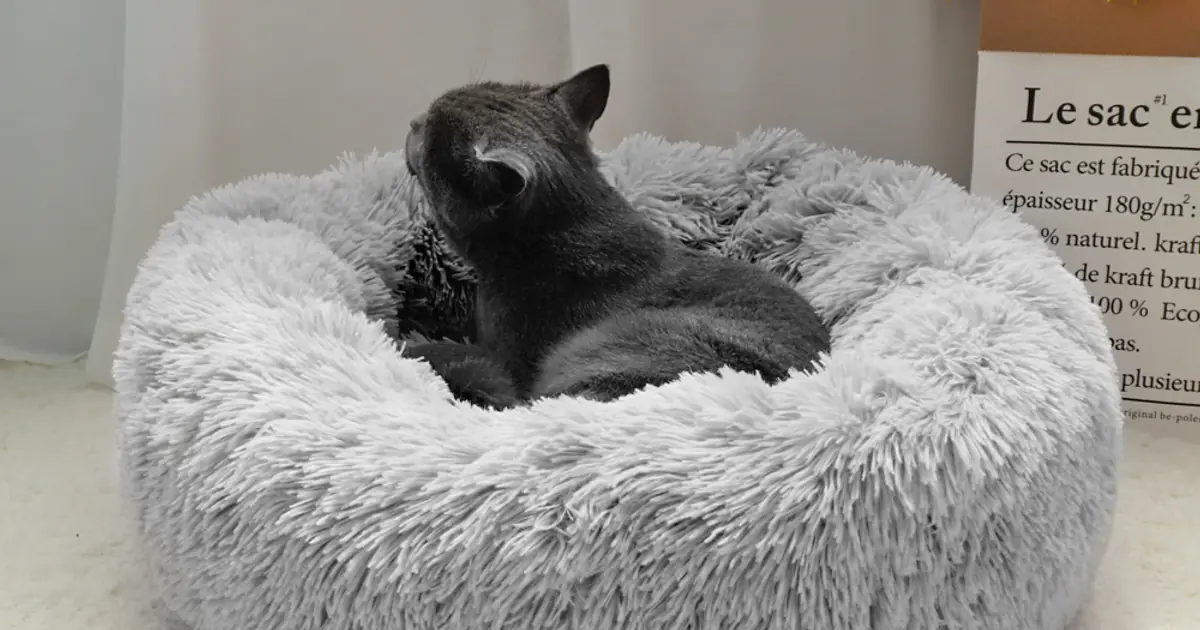
Donut beds feature a raised, circular rim that surrounds the sleeping surface. The design creates an enclosed, den-like space that triggers a dog's natural instinct to seek covered, secure sleeping spots. The faux-fur material used in most donut beds mimics the texture of a mother dog's coat, which is why these are specifically marketed as "calming" beds.
Best for: Anxious dogs, dogs with separation anxiety, small dogs that curl up to sleep, cats, puppies transitioning to sleeping alone.
Key specs to look for:
- Dense fill that won't compress immediately — avoid beds where the fill feels sparse when you squeeze the rim
- Non-slip base — especially important on hardwood and tile floors
- Machine washable — this is non-negotiable; you will be washing this regularly
- Rim height of at least 3 inches — anything shorter defeats the purpose
What they don't do well: Flat orthopedic support for large or senior dogs. The raised rim makes sense for curling dogs but isn't what a 30 kg dog with hip dysplasia needs.
Our top AliExpress pick: The Fluffy Calming Dog Bed Long Plush Donut Pet Bed Round Orthopedic Lounger is one of the most reviewed options in this category and consistently earns 4.6+ stars. Dense plush fill, solid non-slip base, and machine washable. Available in small through XL. Typical price: $15–$35 depending on size.
Orthopedic Foam Beds
Orthopedic beds use high-density foam or memory foam as the primary support layer rather than plush fill. The foam distributes weight evenly and doesn't compress flat under a heavy dog.
Best for: Senior dogs (7+ years), large breeds prone to joint issues (German Shepherds, Labradors, Great Danes), dogs recovering from surgery or injury.
Key specs:
- Foam density: look for 4 lb/ft³ or higher for meaningful support
- Cover removability: the cover must be removable and machine washable — foam itself can't be fully submerged
- Base thickness: 4 inches of foam is the minimum for large dogs; 6 inches is better
- Waterproof liner under the cover — critical for older dogs who may have incontinence
What they don't do well: The burrowing, den-like feeling that anxious dogs crave. Orthopedic beds are flat platforms — great for support, less comforting for nervous pets.
AliExpress reality check: Foam quality varies significantly at this price point. Be cautious of listings that don't specify foam density. Spend a little more for a product with clear specs and verified reviews from large-dog owners.
Elevated and Cooling Beds
Elevated beds raise your pet off the ground on a mesh or fabric platform stretched between a frame. The gap allows air to circulate underneath, which keeps the sleeping surface significantly cooler than foam or plush alternatives.
Best for: Dogs in warm climates, double-coated breeds that run warm (Huskies, Samoyeds), outdoor use, dogs that chew through soft beds.
Key specs:
- Frame material: powder-coated steel or aluminum resists rust outdoors; avoid bare steel
- Mesh material: 600D or higher polyester oxford is more durable than basic mesh
- Weight capacity: listed for all good elevated beds — match it to your dog's weight with some margin
- Portability: lightweight folding designs work well for travel and camping
What they don't do well: Warmth. Elevated beds actively cool; in cold climates or for thin-coated breeds, they're the wrong choice. Also not suitable for puppies or dogs with mobility issues who can't step up easily.
AliExpress pricing: Steel-framed elevated beds run $15–$35. Aluminum camping versions are more expensive ($30–$60) but significantly lighter. Both hold up well in outdoor conditions.
Cave and Hooded Beds
Cave beds fully enclose the sleeping area with a removable hood or flap. The result is a dark, private, fully enclosed sleeping space — the ultimate den simulation.
Best for: Small dogs that burrow under blankets, cats, dachshunds and other breeds with a strong burrowing instinct, pets that startle easily from ambient light and movement.
Key specs:
- Hood attachment — removable is better; some dogs hate the enclosed feeling initially but warm to it, and you may want to use it without the hood
- Sufficient interior space — the inside should be large enough for your pet to turn around comfortably
- Washability — cave beds need regular cleaning; the hood must be detachable for this
What they don't do well: Large breeds (most cave beds top out around 10–12 kg) and dogs that don't have a burrowing instinct. Some dogs simply ignore the hood and sleep in it open like a regular cushion bed.
AliExpress pricing: $12–$30. Often listed under "kennel bed," "pet cave," or "hooded dog bed."
How to Size a Pet Bed
Getting the size wrong is the most common mistake when buying pet beds online. Here's a practical approach.
For flat beds (orthopedic, elevated): Measure your pet from nose to tail base while they're lying fully stretched out. Add 10–15 cm to that measurement. That's the minimum length you want in a bed.
For donut and cave beds: Measure your pet from nose to tail while they're curled up in their preferred sleeping position. Add 5–8 cm on each side. Donut beds are not meant for stretched-out sleeping — they're for curled-up sleepers.
When in doubt, size up. A slightly oversized bed just gives more room to sprawl. An undersized bed means your pet will avoid it or hang off the edges awkwardly.
Weight limits matter for elevated beds. Always check the stated weight capacity and pick a size rated for at least 10% above your pet's current weight.
5 AliExpress Pet Bed Picks for 2026
1. Fluffy Calming Donut Pet Bed — $15–$35
The Fluffy Calming Dog Bed Long Plush Donut Pet Bed Round Orthopedic Lounger is the top calming bed pick at this price point. Dense long-plush faux fur interior, solid non-slip base, and machine washable. Available in four sizes (45–90 cm diameter). The dense fill retains loft meaningfully better than cheaper alternatives. Our full review covers this bed in detail — it earns an 8.3/10.
Best for: Anxious dogs, cats, small-to-medium breeds that curl up to sleep.
2. Memory Foam Orthopedic Dog Bed — $25–$55
Look for listings that specify "high-density memory foam" and include a removable, machine-washable cover. Good versions include a waterproof inner liner between the foam and the cover. Flat design with 4–6 inches of foam. For senior dogs, this category of bed makes a significant difference in overnight comfort and morning mobility.
Best for: Senior dogs (7+), large breeds, post-surgery recovery.
3. Elevated Steel Frame Dog Bed — $15–$30
Simple, durable, easy to clean. Powder-coated steel frame with a breathable polyester mesh sleeping surface. No fill to compress, no fabric to soak through. Particularly good for dogs that destroy soft beds. Hose it off when dirty.
Best for: Warm climates, outdoor use, dogs that chew through soft beds, double-coated breeds.
4. Hooded Cave Pet Bed — $12–$25
A deep bowl with a removable hood. The closed version creates a dark, quiet den; remove the hood for an open nest. Particularly popular for dachshunds and cats. Most cave beds are sized for pets up to 8–10 kg.
Best for: Burrowing breeds, small dogs, cats, pets that startle from light and movement.
5. Self-Warming Thermal Pet Pad — $8–$18
These pads use a reflective inner layer that reflects your pet's own body heat back upward. No electricity required. Ideal as a supplement inside a crate or kennel, or as a portable travel option. Not a standalone bed for most pets, but a very useful and affordable addition to any setup.
Best for: Winter supplemental warmth inside a crate, elderly cats, thin-coated small breeds.
Washability Guide: What You Need to Know
Pet beds get dirty faster than almost any other household item. A washing plan matters before you buy.
What "machine washable" actually means
Most pet beds are technically machine washable, but the details matter. Always check:
- What goes in the machine: The cover/sleeve alone, or the whole bed? Foam cores should never go in a washer or dryer — only the cover.
- Temperature rating: Cold or warm is almost always correct. High heat can shrink covers, degrade non-slip bases, and damage foam.
- Dryer compatibility: Many plush beds can tumble dry on low heat. Air drying is safer and extends the bed's lifespan but takes longer.
Wash frequency guidelines
| Situation | Wash Frequency |
|---|---|
| Healthy adult dog, indoor only | Monthly |
| Dog with skin conditions or allergies | Every 2 weeks |
| Dog that spends time outdoors | Every 2–3 weeks |
| Multi-pet household | Every 2–3 weeks |
| Senior dog with incontinence | Weekly minimum |
Extending bed life between washes
Use a pet blanket or washable bed liner on top of the main bed — it catches most of the dirt and hair and can be washed weekly without putting the full bed through the laundry cycle every time. This approach dramatically extends the working life of the fill material.
Matching Bed Type to Dog or Cat Personality
Not every dog or cat will use the bed you buy. Matching to personality reduces the chance of buying something your pet ignores.
The Curler: Sleeps in a tight ball with nose tucked under tail. Best match is a donut or cave bed. The enclosed shape supports their natural posture.
The Stretcher: Sprawls flat on their side or back. Best match is a flat orthopedic or elevated bed with enough surface area. Donut beds are wasted on stretchers.
The Burrower: Digs and tunnels under blankets. Best match is a cave bed with a flap. Second choice: a donut bed deep enough to burrow into.
The Heat-Seeker: Always pressed against a radiator or in a sunny patch. Best match is a self-warming thermal pad or a well-insulated donut bed. Elevated cooling beds will be ignored.
The Anxious Pacer: Doesn't settle easily, paces before lying down, startles at sounds. Best match is a donut or cave bed placed in a low-traffic, quiet corner of the home. The enclosed design helps; location matters equally.
Senior dogs with mobility issues: Best match is a low-profile orthopedic foam bed with no raised edges that require stepping over. A non-slip base is essential — senior dogs often struggle on slippery surfaces.
Cats: Cats famously ignore expensive cat furniture. Start with a donut or cave bed placed where the cat already likes to rest. Don't move it repeatedly — cats need to learn a spot is safe.
Frequently Asked Questions
Donut-style calming beds are the most effective option for anxious dogs. The raised rim creates an enclosed, den-like environment, and the faux-fur material mimics warmth and softness. Place the bed in a quiet, low-traffic area where the dog already feels safe. For severe anxiety, pair the bed with behavioral training and consult your vet.
Generally yes, especially beds with verified buyer reviews. Look for listings that specify non-toxic, pet-safe materials. Avoid beds with strong chemical smells — air them out before use if needed. The faux fur and fill materials in well-reviewed AliExpress beds are comparable to those used in mid-range pet store brands.
Place the bed where your pet already likes to rest. Put a worn piece of your clothing in it for the first few days — your scent is reassuring. For dogs, reward them with treats when they approach and use the bed voluntarily. Don't force them onto it. It can take 1–2 weeks for a pet to claim a new bed as their own.
Not necessarily. Orthopedic foam beds are most important for senior dogs (7+), large breeds prone to joint problems, and dogs recovering from injury. A young, healthy dog will be comfortable in a good-quality donut or flat plush bed. Save the memory foam investment for when it's genuinely needed.
For flat beds, measure your pet nose-to-tail while stretched out and add 10–15 cm. For donut and cave beds, measure them curled up and add 5–8 cm per side. Always round up when between sizes. An oversized bed is comfortable; an undersized one gets avoided.
Plush and donut beds typically last 1–2 years with regular washing and normal use. Elevated steel-frame beds last 3–5+ years. Foam orthopedic beds vary widely depending on foam density — cheap foam compresses in 6 months while dense foam can last 2–3 years. Budget for replacement and factor that into your price comparison.