Grooming your dog or cat at home saves serious money. A professional groom can run $50–$120 per session depending on breed and coat. With the right tools — and a little practice — you can do the same job at home for a one-time investment of $20–$60. AliExpress has become a legitimate source for pet grooming equipment, with tools that hold up well and cost a fraction of what you'd pay at a pet store.
This guide covers the essential tools, how to pick the right ones for your pet's coat type, recommended products across every category, and the safety basics that keep both you and your pet comfortable.
The Essential Pet Grooming Tool Kit
A complete home grooming kit doesn't require buying everything at once. Start with what your pet actually needs based on coat type, then expand.
Clippers: The Most Important Tool
For medium to long coats, or any breed that needs trimming, a good clipper is the foundation of home grooming. The key specs to look for:
Motor type: Rotary motors are quieter and generate less heat — better for anxious pets. Electromagnetic motors are louder but more powerful, suitable for thick coats.
Cordless vs. corded: Cordless models offer more maneuverability, which matters a lot with a fidgety dog. Look for at least 60–90 minutes of battery life per charge.
Blade material: Stainless steel or ceramic blades stay sharper longer. Ceramic runs cooler, which reduces the risk of heat irritation on sensitive skin.
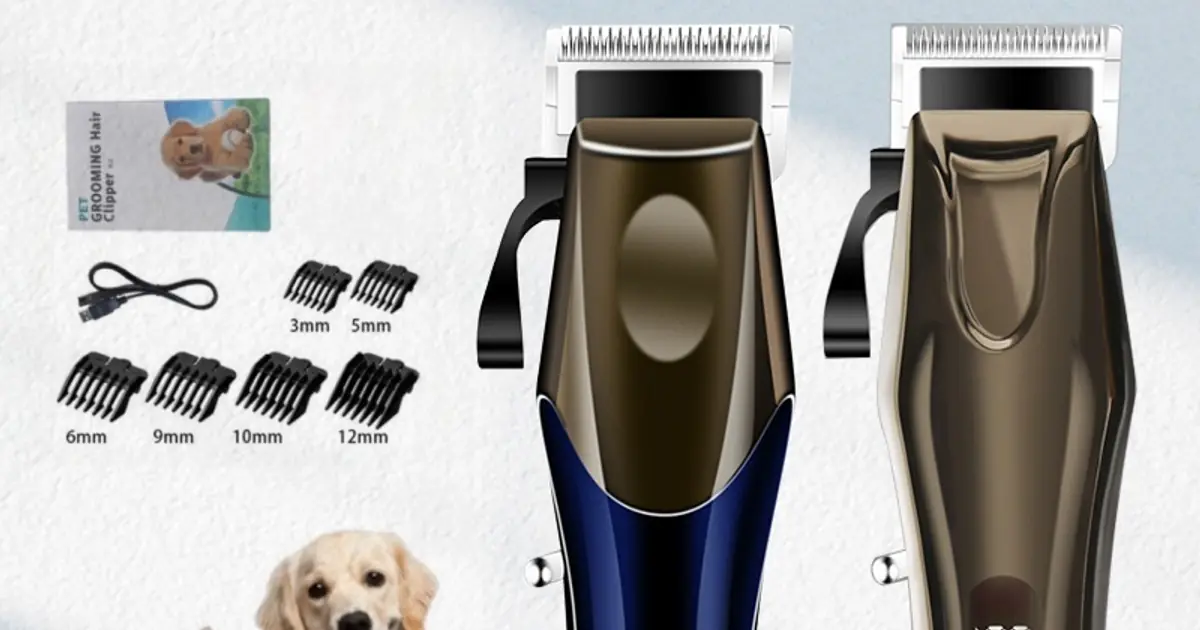
Our top pick for home use: The Oneisall Low Noise Electric Quiet Rechargeable Cordless Pet Grooming Clippers check all these boxes. The motor runs quietly enough that most nervous dogs stop reacting after 2–3 sessions. The cordless design gives you a full range of motion, and the ceramic blades stay cool even during longer sessions. Typical AliExpress price: $18–$28. Check the listing for current pricing.
Slicker Brushes and Deshedding Tools
A slicker brush with fine wire bristles removes loose hair, detangles, and distributes natural oils through the coat. For heavy shedders — Huskies, German Shepherds, Golden Retrievers — a dedicated deshedding tool like a Furminator-style undercoat rake makes a dramatic difference.
What to look for in a slicker brush:
- Flexible bristle pad that conforms to body curves
- Cushioned handle for extended brushing sessions
- Fine pins for smooth coats, coarser pins for thick/double coats
Deshedding tool tips:
- Use on dry, brushed-out coat only — never on tangles
- Limit use to 10–15 minutes per session to avoid skin irritation
- AliExpress options from brands like Lorde and Pet Neat run $8–$20 and perform comparably to name-brand versions
Nail Trimmers
Overgrown nails are one of the most common and easily prevented pet health problems. They cause discomfort while walking and can curl into paw pads if left too long.
Guillotine vs. scissor trimmers: Scissor-style trimmers give more control and work for most dog sizes. Guillotine trimmers are popular for cats and small dogs. Both styles are available on AliExpress for $5–$15.
Grinders: Electric nail grinders file nails down gradually instead of cutting. Many dogs tolerate them better than clippers, especially after a bad experience. Look for low-vibration models with multiple speed settings. Expect to pay $10–$20.
Safety tip: Always have styptic powder on hand. If you accidentally cut the quick (the blood vessel inside the nail), styptic powder stops bleeding within 30 seconds.
Grooming Combs and Mat Splitters
A wide-tooth metal comb is essential for working through tangles before brushing. For knotted coats, a mat splitter or dematting comb cuts through matted fur without pulling painfully at the skin.
These are some of the cheapest tools in the kit — metal grooming combs on AliExpress typically run $3–$8, and dematting combs $6–$15. Avoid plastic combs, which generate static and break easily.
Grooming Table Mats and Restraints
A non-slip grooming mat placed on a table makes the whole process safer. Your pet can't slide around, which reduces stress and makes it easier to work precisely. Rubber bath mats work fine — dedicated grooming mats with suction cups are even better.
For home use, a basic rubber mat from AliExpress ($5–$12) does the job. You don't need a full grooming arm and clamp unless you're doing this professionally.
Coat Type Guide: Matching Tools to Your Pet
Different coats need different tools. Using the wrong brush for your pet's coat type wastes time and can damage the coat.
Short Coats (Beagles, Boxers, Dachshunds)
Short-coated breeds need the least maintenance but still benefit from regular brushing.
- Primary tool: Rubber curry brush or grooming mitt
- Secondary: Fine-toothed flea comb
- Frequency: Weekly brushing, monthly bath
- What to skip: Deshedding tools and heavy slicker brushes are overkill for short coats
Double Coats (Huskies, German Shepherds, Golden Retrievers, Corgis)
Double-coated breeds have a dense undercoat beneath the outer guard hairs. These dogs shed heavily twice a year ("coat blows"), and moderate amounts year-round.
- Primary tool: Undercoat rake or deshedding tool for heavy shedding periods
- Secondary: Slicker brush for regular maintenance, wide-tooth comb for tangles
- Frequency: Brush 3–5 times per week; daily during shedding season
- Important: Never shave double-coated breeds. The double coat regulates temperature in both heat and cold. Shaving disrupts this and can cause coat texture problems permanently.
Silky and Long Coats (Shih Tzus, Maltese, Yorkshire Terriers)
Long silky coats mat easily and require the most consistent attention.
- Primary tool: Pin brush (softer than a slicker, won't break fine hair)
- Secondary: Wide-tooth metal comb, dematting comb for problem areas
- Frequency: Daily brushing is ideal; every other day at minimum
- Clipper tip: For trimming around the face and paws, small detail clippers (curved-blade models) give more control
Curly and Wavy Coats (Poodles, Doodles, Portuguese Water Dogs)
Curly-coated breeds don't shed much but their hair grows continuously and mats quickly.
- Primary tool: Slicker brush with flexible bristle pad
- Secondary: Metal comb, wide-tooth comb for detangling
- Frequency: Brush every 1–2 days; professional or home clip every 6–8 weeks
- Clipper note: Curly coats need sharper, more powerful blades. Check that your clipper blade set includes a blade suitable for dense curls.
Cat Coats
Most cats handle their own grooming, but long-haired breeds (Persians, Maine Coons, Ragdolls) benefit from regular brushing to prevent hairballs and matting.
- Primary tool: Wide-tooth metal comb, gentle slicker brush
- Secondary: Dematting comb for problem areas, especially behind ears and under arms
- Frequency: Daily for long-haired breeds; weekly for short-haired
- Important: Cats can be sensitive to vibration. Introduce any electric tool slowly and keep sessions short.
5 Recommended Products on AliExpress
These picks cover the most common needs across different pet types and coat categories.
1. Oneisall Low Noise Rechargeable Dog Clippers — $18–$28
The standout feature is noise reduction. Many budget clippers vibrate loudly enough to send anxious dogs into a panic. The Oneisall motor runs at a noticeably lower decibel level, and most users report that even noise-sensitive dogs adapt within a few sessions. Ceramic blades, cordless operation, and a 70-minute runtime per charge. Multiple comb attachments included. An excellent starting point for home grooming.
2. Pet Grooming Glove Deshedding Brush — $6–$12
These silicone grooming gloves let you brush your pet by simply petting them. That's not a gimmick — many pets who resist traditional brushes accept this easily because it mimics the sensation of being petted. Effective on short-to-medium coats. Not ideal for heavy mats or thick double coats, but for routine shedding management it's hard to beat.
3. Professional Slicker Brush with Self-Cleaning Button — $8–$15
The self-cleaning mechanism (press a button and the bristles retract, releasing collected hair) sounds like a minor convenience until you've dealt with manually pulling hair off a brush after every session. Models with a soft-grip handle and flexible bristle pad are especially comfortable for longer grooming sessions.
4. Electric Nail Grinder with LED Light — $12–$20
The LED light helps you see the quick through the nail, significantly reducing the chance of cutting too deep. Variable speed settings mean you can start slow for nervous pets. Rechargeable via USB. Far less intimidating for most dogs than scissor trimmers once they get used to the sound.
5. Wide-Tooth Metal Grooming Comb Set — $5–$10
Don't underestimate a simple comb. A good metal grooming comb is irreplaceable for detecting tangles before brushing, checking for fleas, and finishing the coat after brushing. Sets that include both coarse and fine-toothed combs give you the most flexibility.
Grooming Frequency by Breed Type
| Breed Type | Brushing | Bathing | Trimming/Clipping |
|---|---|---|---|
| Short coat | Weekly | Monthly | Rarely |
| Double coat | 3–5x per week | Every 4–6 weeks | Paws and sanitary areas only |
| Long silky coat | Daily | Every 2–4 weeks | Every 6–8 weeks |
| Curly/wavy coat | Every 1–2 days | Every 3–4 weeks | Every 6–8 weeks |
| Cat (short) | Weekly | As needed | Rarely |
| Cat (long-haired) | Daily | Monthly | Sanitary areas as needed |
These are general guidelines. Adjust based on how quickly your pet's coat tangles, how much they shed, and how active they are outdoors.
Safety Tips for Home Grooming
Getting this right prevents accidents and keeps your pet's grooming experience from becoming something they dread.
Introduce tools gradually. Let your pet sniff and investigate new tools before using them. Turn clippers on near the pet without touching them, then gradually introduce contact. For nail grinders, let them hear the sound and feel the vibration on your hand first.
Work in good light. Especially critical for nail trimming. Natural light or a bright lamp makes it much easier to see nail anatomy.
Keep sessions short at first. 10–15 minutes maximum for initial sessions. End on a positive note before the pet gets restless, not after they've already become agitated.
Check blade temperature. Clipper blades heat up during use. Touch the blade to your own wrist periodically — if it's too hot for you, it's too hot for your pet's skin. Most clippers come with coolant spray; have it on hand.
Watch for skin issues. Regular grooming gives you a chance to spot lumps, redness, skin irritation, or parasites early. Run your fingers through the coat and check the skin surface, not just the outer coat.
Reward consistently. High-value treats during and after grooming sessions build a positive association over time. For particularly anxious pets, a lick mat with peanut butter or wet food can keep them distracted during clipping or nail trimming.
Know when to go professional. Severely matted coats, behavioral problems during grooming, and skin conditions are better handled by a professional groomer or vet. Home grooming supplements professional care — it doesn't always replace it.
Frequently Asked Questions
Yes, as long as you buy from sellers with high ratings and verified reviews. Look for products with 4.5+ stars and at least 100 reviews. Many AliExpress grooming tools are made in the same factories as mid-range pet store brands. Check that clippers have a CE or RoHS mark — this indicates basic safety testing.
It depends on coat type. Short-coated dogs need weekly brushing and monthly baths. Double-coated breeds (Huskies, German Shepherds) need brushing 3–5 times per week. Long silky coats and curly coats ideally need daily brushing. Nails should be trimmed every 3–4 weeks for most dogs.
You need a clipper with a powerful motor and high-quality stainless steel blades. The Oneisall clippers recommended in this guide handle double coats reasonably well for maintenance trimming. For very dense coats like Newfoundlands or Bernese Mountain Dogs, consider a corded model with variable blade speeds for longer sessions.
Some tools cross over — metal combs and soft slicker brushes work for both. However, avoid using dog clippers on cats unless they're specifically rated for cat use. Cats have thinner, more sensitive skin and many don't tolerate vibration well. Purpose-made cat grooming tools are gentler and better shaped for cat anatomy.
Apply styptic powder or styptic gel directly to the cut nail and hold firm pressure for 30 seconds. The bleeding will stop quickly. Keep your dog calm and quiet for a few minutes afterward. If you don't have styptic powder, cornstarch works as a temporary substitute. The nail will be tender for a day or two.
The attachment number corresponds to how much hair is left after clipping. A #1 guard leaves about 3mm of coat; a #8 guard leaves about 25mm. For a puppy's first trim, use the longest guard. For dogs that get regular home trims, work down gradually to find the length you want. When in doubt, go longer — you can always go shorter, but you can't put hair back.