Bored dogs chew furniture. That's not a moral failing — it's a dog with unused energy and nothing better to do. Interactive puzzle toys are one of the most effective tools for channeling that energy somewhere constructive, and this AliExpress treat dispenser slow feeder is one of the better budget options in 2026.
At the price point it typically sells for on AliExpress (check current listing for exact price — it fluctuates), it costs roughly a quarter of what you'd pay for a Nina Ottosson puzzle at a pet store. Whether the performance gap justifies that price difference is what this review is about.
Design, Materials, and Size
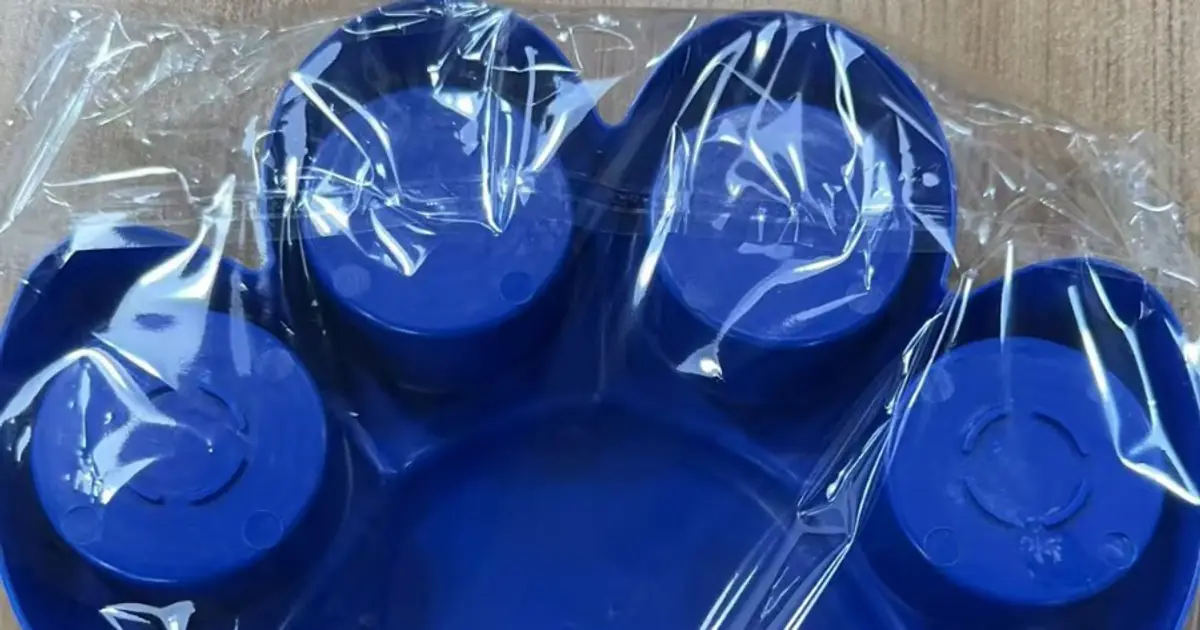
The toy combines a slow feeder bowl with hidden compartment puzzles — think sliding covers, rotating discs, and flip-top wells that conceal kibble or treats. Difficulty is adjustable not by a dial but by how you load it: put treats in the easy-access outer channels for beginners, or hide them under multiple layers of covers for more experienced puzzle solvers.
The base is made from BPA-free ABS plastic, which is the standard for food-safe pet products. There's no foul plastic smell out of the box, which is a good sign. The construction feels solid enough — no sharp edges on the pieces I examined in product images and owner reports, and the sliding parts move smoothly without excessive resistance.
Size-wise, the standard version is suitable for small to large dogs. The bowl diameter is around 28–30cm, which is appropriate for breeds from Beagles up to Labradors. Small toy breeds (Chihuahua, Maltese) may find the compartment dividers too large relative to their snout, making it easier than intended. Giant breeds with very large paws may accidentally flip the tray rather than puzzle through it — for those dogs, a heavier weighted base or non-slip mat underneath helps.
The bottom has rubberized non-slip feet, which mostly work on hard floors. On smooth tile they can still shift during an excited session — placing it in a corner or against a wall removes that variable.
How It Reduces Boredom and Destructive Behavior
The mechanism here is engagement. A dog working a puzzle toy is mentally occupied in the same way a working dog is occupied on a task. For high-energy breeds — Border Collies, Australian Shepherds, Jack Russells, Huskies — 15–20 minutes on a puzzle toy won't replace a run, but it does take the edge off. For medium-energy dogs (Spaniels, Beagles, mixed breeds), a good puzzle session at mealtime can meaningfully reduce afternoon restlessness.
The slow feeder aspect also has a separate, more straightforward benefit: it makes fast eaters slow down. Dogs who inhale food in under a minute and then bloat or vomit benefit from the physical barrier of the maze-style channels. The treat dispenser design forces them to work kibble out one piece at a time.
In practice, owners report that dogs who normally finish a meal in 30 seconds take 5–10 minutes to clean out a loaded puzzle bowl. That's less about mental challenge and more about physical access — but the outcome (calmer, more satisfied dog) is the same.
Treat Types That Work Best
Dry kibble works best because it falls freely into compartments and slides out cleanly. Small training treats (pea-sized) also work well in the hidden wells. Larger treats may get stuck in the sliding channels and require intervention.
Wet food, peanut butter, or soft treats work for the simpler outer channels but will gunk up the sliding puzzle pieces and make cleaning harder. If you use those, plan to wash the toy immediately after.
What doesn't work: irregularly shaped large treats, dental chews, or anything wider than about 1.5cm in diameter. The compartment openings are sized for kibble, not biscuits.
Noise Level and Durability
This is a plastic toy and it will make noise — the sliding covers click, the rotating disc rattles, and an enthusiastic dog pawing at it on a hard floor creates real noise. If you're working from home and want a quiet hour, this isn't it. On carpet, the noise is considerably reduced.
Durability is the reasonable criticism of this product. Compared to the Kong Classic (which is a solid rubber chew toy rated for power chewers) or the Nina Ottosson Dog Tornado (thicker plastic, tighter tolerances), the AliExpress version will show wear faster if you have an aggressive chewer. The sliding covers and rotating disc take the most stress. For dogs who approach a puzzle toy calmly and methodically, it holds up fine. For dogs who body-slam the toy trying to get treats out, the plastic can crack at connection points over months of daily use.
Comparison: Kong Classic vs. Nina Ottosson Dog Tornado
Kong Classic ($12–$16 retail): Not a puzzle toy in the same sense — it's a chew toy you stuff with treats. It's indestructible rubber suitable for power chewers and can go in the dishwasher. If your dog is primarily a chewer rather than a problem-solver, the Kong is the better tool. It doesn't provide the same multi-step cognitive engagement.
Nina Ottosson Dog Tornado ($25–$30 retail): Three rotating layers that dogs spin to find hidden treats. Thicker plastic, better construction, comes in difficulty levels (Beginner, Intermediate, Expert). If your dog is an experienced puzzle solver who has already mastered simpler toys, the Tornado's level system gives you room to increase challenge over time. Worth the price difference for puzzle-toy enthusiasts.
This AliExpress puzzle toy (check current price): Lands in the middle on capability — more cognitive engagement than a stuffed Kong, less polished progression than the Ottosson line. The price is hard to beat for what it delivers. Good starting point before investing in premium puzzle toys.
A well-priced, functional puzzle toy that slows eating and provides mental stimulation — best value for medium-energy dogs new to interactive toys.
Pros
- ✓BPA-free ABS plastic with no sharp edges or chemical smell
- ✓Combines slow feeder and multi-compartment puzzle in one tray
- ✓Adjustable difficulty by loading treats at different depths
- ✓Non-slip rubber feet prevent sliding on hard floors
- ✓Dishwasher safe for easy cleaning after kibble or small treat use
Cons
- ✗Plastic construction won't survive power chewers — buy a Kong Classic instead
- ✗Can be noisy on hard floors during enthusiastic play sessions
- ✗Small toy breeds may find it too large; giant breeds may tip the tray
Buy if...
- •Owners of medium-energy dogs who eat too fast and need a slow feeder
- •People looking to add mental enrichment to a dog's routine without expensive puzzle sets
- •Homes with food-motivated dogs who respond well to treat-based training
- •Anyone wanting to try interactive puzzles before investing in premium Nina Ottosson toys
Skip if...
- •Owners of power chewers — the Kong Classic or West Paw Toppl will hold up far better
- •Buyers with small toy breeds under 4kg — the tray size and compartment scale aren't optimized
- •People who need a quiet toy — the plastic-on-floor noise during play is real
Frequently Asked Questions
Yes, it is listed as dishwasher safe. Place it on the top rack. For toys used with dry kibble only, a rinse and air dry usually suffices. If you use peanut butter or wet food, dishwash immediately after use to prevent residue from hardening in the compartments.
Out of the box, most dogs solve the easier channels within a few sessions. The challenge comes from how you load it — hiding treats under multiple sliding covers or using the rotating disc creates a more demanding puzzle. Very experienced puzzle dogs (who have completed Nina Ottosson Expert level) may find this toy too easy after a week. It's best rated as a Beginner to Intermediate toy.
Yes, many owners use it as a slow feeder at every meal. Load their daily kibble portion into the maze channels and let them work for it. It dramatically slows eating speed and turns mealtime into enrichment time.
Rinse under warm water and use a soft brush or bottle brush to clear kibble fragments from under the sliding covers. Dishwasher safe on the top rack, which handles the deep cleaning. Avoid soaking in very hot water repeatedly as it can warp thinner plastic parts over time.
It's designed for supervised enrichment sessions, not as a chew toy to leave with a dog alone. If your dog starts chewing the plastic edges rather than working the puzzle, end the session and consider a more chew-durable toy like the Kong Wobbler for solo treat dispensing.